

October 7, 2026 by Oceania Cruises
Read More
Read More
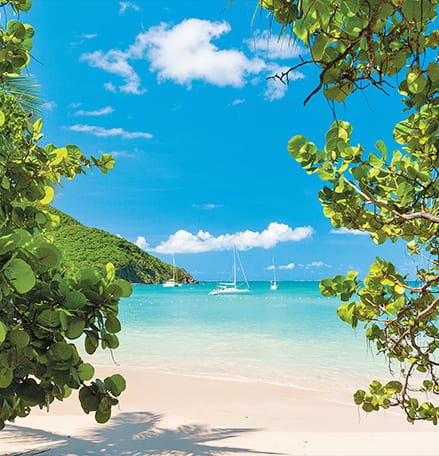
I have been fortunate enough to cruise the length and breadth of the Caribbean. In my early wanderings, I looked forward to relaxing on the pristine beaches of the Bahamas, sipping a rum concoction under the swaying palms in St. Barts, snorkeling the crystalline waters in the Virgin Islands, sailing an authentic America’s Cup yacht in St. Maarten, hiking rainforests in Puerto Rico and ziplining down mountains in Jamaica.
But the more I traveled these enchanting tropical islands, the more I came to appreciate the nuances of their history and culture that inspired everything from architecture to dining. A recurring theme of that influence was the European countries that had once claimed these unique and independent islands as colonies. Even today, it’s not difficult to see the imprint of the French, Spanish, British, Danish, Dutch and even the Swedes, among others. Quite frankly, there’s a bit of Europe everywhere you look in the Caribbean.
1. VIVE LA FRANCE
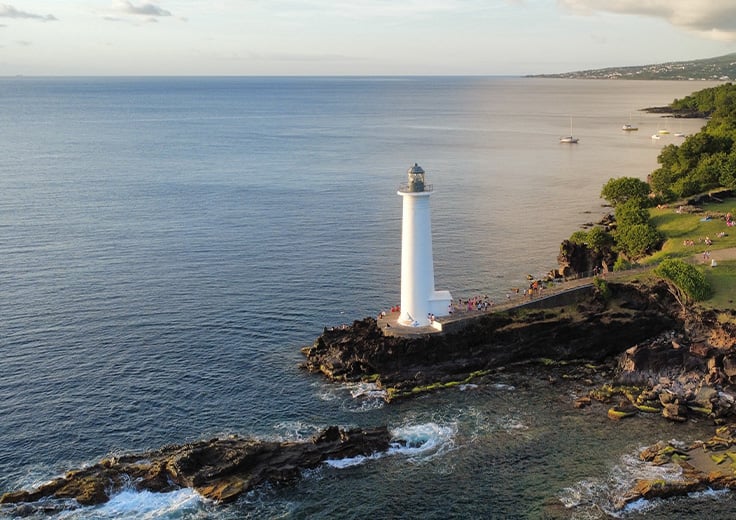
The French islands boast a signature refinement that you notice at once. In Martinique I joined a cooking class where a local chef blended classic French technique with bright Caribbean flavors in a surprising marriage. We began with accras de morue, herbed salt cod fritters that are an island classic. The fresh fish comes from the Grand Marché in Fort-de France, an iron market structure inspired by Gustav Eiffel, where vendors sell everything from crêpes to croissants. By the time we finished with a passionfruit pavlova, it was clear that France and the Caribbean belong in the same kitchen.
Guadeloupe shares its heritage in its national park, the first created by France in its overseas territories. I sensed the same care and pride that shape the great parks of mainland France such as the Tuileries in Paris. French influence here extends beyond food and architecture into a genuine commitment to the island’s beauty.
St. Bart’s charming U-shaped Gustavia Harbor, filled with yachts and sleek sailboats, is ringed by fantastic French restaurants and wine shops. The last time I was there, I bought a delightful Burgundy, a warm baguette and a creamy camembert and headed to nearby Shell Beach for a seaside picnic.
In Dominica, I unexpectedly found France underwater at Champagne Reef. Snorkeling through gentle currents laced with soft streams of bubbles felt like drifting through a natural glass of Champagne, a distinctly French sort of pleasure.
2. A SPOT OF BRITAIN
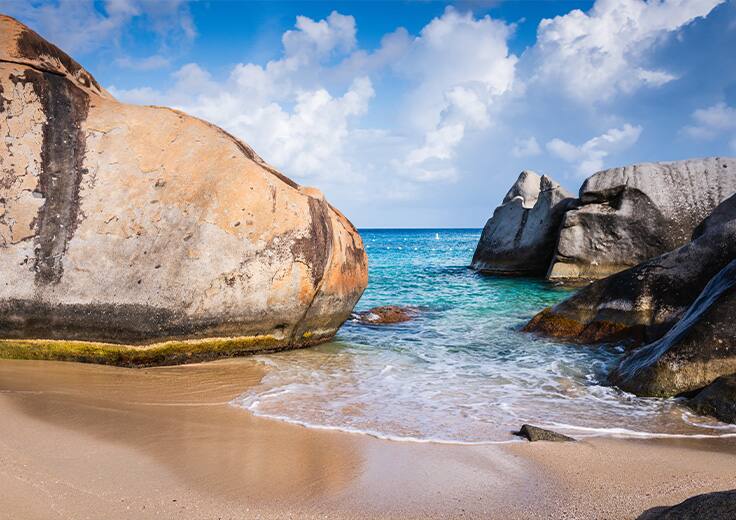
The Baths, a dramatic beach near Tortola scattered with giant rocks, was named by English settlers after the sheltered pools tucked between granite boulders which reminded them of seaside bathing rooms back home. As I wandered through the sunlit grottoes and calm tidal pools, it was easy to see why the name stuck.
In Grand Cayman’s George Town, England’s maritime legacy takes on a more solemn tone at the Wreck of the Ten Sail memorial, perched above the treacherous waters beyond the reef where a British convoy ran aground in 1794.
Belize City offered another glimpse of British influence at the popular Belikin Brewery. As I toured the facility and sampled a flight of its beers, I learned that one of the founders had been knighted by Queen Elizabeth II for his contributions to the country. A bottle of Belikin Stout, a distinctly Caribbean beer lighter than Guiness but still infused with a blend of caramel, coffee and notes of chocolate, was most satisfying.
3. HOT FOR HOLLAND
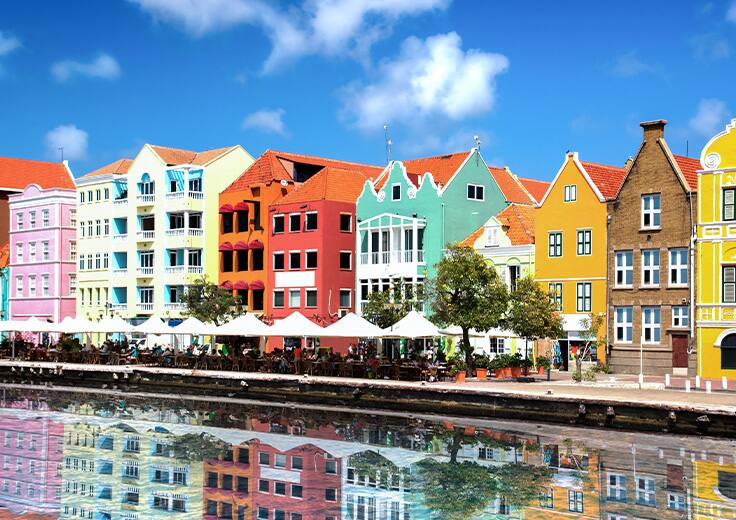
In Curaçao, the Dutch Caribbean came into focus walking through Willemstad’s UNESCO-listed center. Think of a Low Countries village bathed in Caribbean sunlight. The stepped gables and canal house façades are unmistakably Dutch yet painted in pastel blues and yellows that could only belong in the Caribbean. The combination feels both playful and delightfully Dutch.
I got a taste of Holland’s influence in St. Maarten when I stopped at a small shop in Philipsburg to sample several goudas, some young and mild, others aged and rich. Eating a cheese so rooted in the Netherlands while standing on a Caribbean boardwalk seemed natural, two very different places meeting for a brief, delicious moment.
Aruba, which still celebrates Dutch holidays like Sinterklaas and King's Day, features distinct Dutch architecture in Oranjestad, itself named after the ruling house of the Dutch Royal Family, Oranje-Nassau. I found the quaint Dutch-Caribbean style of the imposing Parliament Building to be an unmistakable link to Holland.
Dutch history also abounds at Aruba’s Bushiribana Gold Mill, where the picturesque stone ruins are a reminder of the gold fever that gripped the island under Dutch rule in the 19th century.
4. ME GUSTAS MUCHO
In Puerto Rico I joined a food walk that made the island’s continental roots impossible to miss. We wandered Old San Juan’s cobblestone streets and paused at family-run cafés to taste dishes shaped by centuries of Iberian tradition. Highlights included croquettes with Caribbean heat and slow-cooked meats seasoned the way Spanish immigrants once taught their grandchildren.
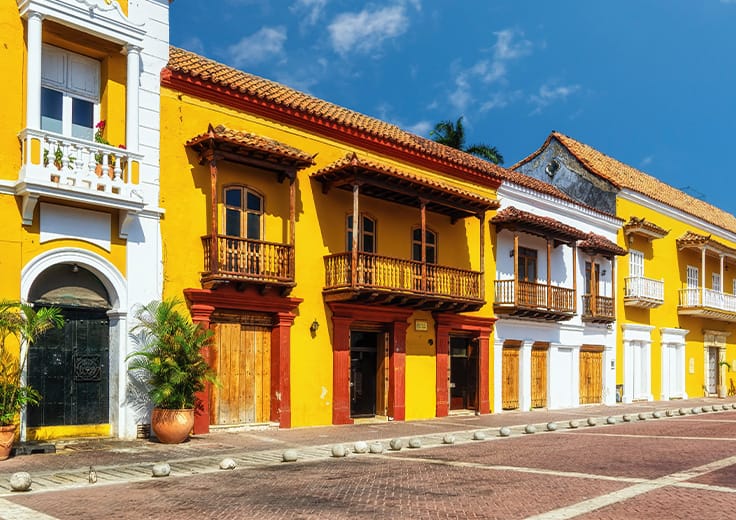
Colombia’s Cartagena carries its history in a more dramatic way. Inside the walled city, a UNESCO World Heritage site, I stepped into the old dungeons built by the Spanish and found them transformed into small artisan shops filled with enticing handmade goods.
From Panama City, I experienced the Spanish connection through the land itself. Aboard a charming vintage train, I traveled through dense jungle on a route used during colonial times. Long before the famed Panama Canal existed, this was how Spain moved treasure across the isthmus.
5. NORDIC NIRVANA
Scandinavian influence in the Caribbean may not stand out at first glance, but if you look closely, you’ll find it hidden in plain sight. On St. Croix, the grounds of an old Danish sugar plantation are now the St. George Botanical Garden. I spent a peaceful afternoon among the plantation’s still-standing arches and stone walls decorated by vibrant orchids and palms.
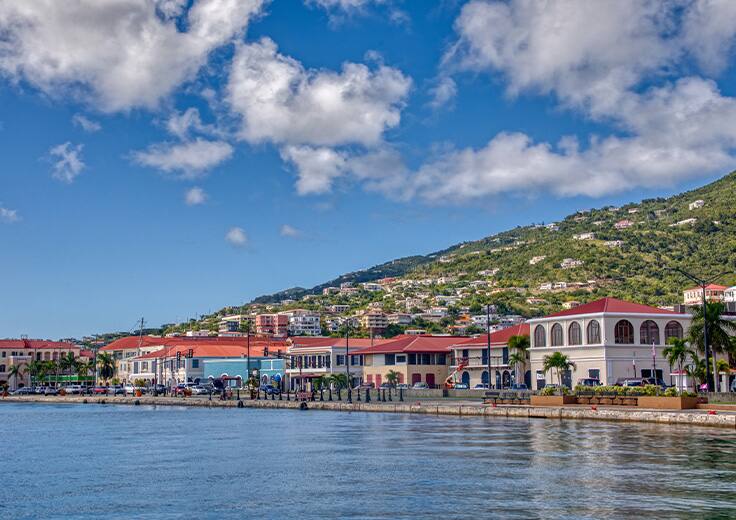
The Danish story of St. Thomas appeared in something as simple as a sip of rum. At 3 Queens Distillery, set within a humble, centuries-old stone building once owned by Danish royalty, I sampled a blend made from local cane grown on land long shaped by Denmark’s rule. The rum had an inviting, earthy character one might expect of the Caribbean yet also a note of Danish sophistication.
Aside from the beachside picnic of French bread, wine and cheese I mentioned earlier, Gustavia on French-influenced St. Barts carries a little-known Swedish thread. The town was named for King Gustav III of Sweden, and if you wander a bit you can still spot traces of that era in the orderly street grid and the carved Swedish crowns set into stone. The touches are subtle, but they add a quiet Nordic layer beneath the town’s very French surface.
Traveling through the Caribbean knowing the region’s European ties changed the way I experienced every island. Beaches and colorful drinks are still part of the fun, of course, but knowing the history behind an imposing fortress, irresistible flavor or manicured garden brought a different kind of richness to each stop. The Caribbean is not just a place of natural beauty, it’s also a melting pot of many cultures, each one leaving a mark that continues to shape the islands today.
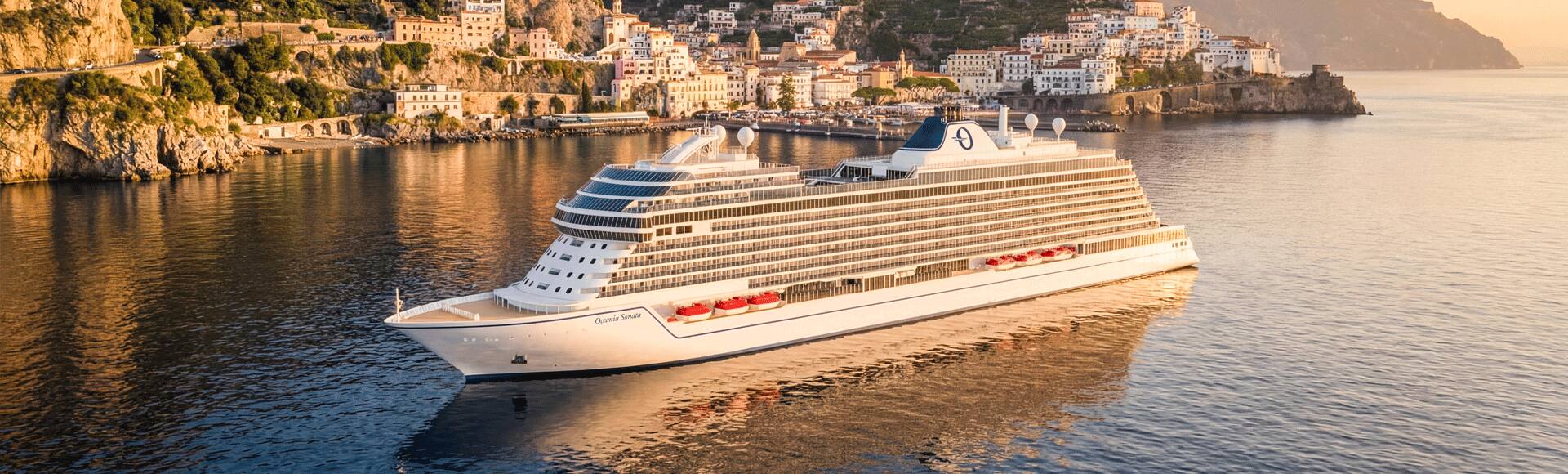
Are you ready to see the European influence in the Caribbean for yourself? The upcoming itineraries listed below are a wonderful place to start. And for more Caribbean sailings, visit OceaniaCruises.com.
Tropical Island Rhythms – 12 Days, Miami to Miami, Departing February 26, 2026 aboard Oceania Nautica Leeward Isles Serenade – 15 Days, Tampa to Tampa, Departing March 3, 2026 aboard Oceania Insignia Classic Canal & Tropics – 10 Days, Panama City to Miami, Departing April 4, 2026 aboard Oceania Insignia Vivid Western Caribbean – 10 Days, Miami to Panama City, Departing April 14, 2026 aboard Oceania Insignia
Which Caribbean destination will you visit next? Tell us on Facebook.